The Importance of Symmetrical Speeds in Business Internet
For many small and medium-sized enterprises, choosing the right connection comes down to more than headline download figures. A symmetrical leased line speed — where upload and download rates match — can transform everyday operations by delivering reliable two-way data transfer and consistent business-grade upload speed. In this article we explain why a balanced connection matters, how it affects cloud backup performance and video conferencing quality, and what SMEs should consider when assessing leased line symmetrical bandwidth.
What is symmetrical leased line speed?
Symmetrical leased line speed refers to an internet connection in which the upstream capacity equals the downstream capacity. Unlike consumer-grade services that prioritise downloads, a symmetrical circuit offers the same bandwidth for sending data as for receiving it. For businesses that rely on real-time collaboration, cloud services and remote access, this parity is often more important than maximum download numbers alone.
Key benefits of symmetrical internet speed
- Improved upload performance: A business-grade upload speed supports large file transfers, off-site backups and server hosting without creating bottlenecks.
- Reliable two-way data transfer: Equal upstream and downstream lanes reduce latency and packet loss during bidirectional activities such as VoIP calls, video meetings and database replication.
- Consistent cloud backup performance: Backups complete faster and more predictably when upstream capacity is not throttled, which reduces the backup window and risk of missed maintenance.
- Better video conferencing quality: Video streams and screen sharing use upstream bandwidth; symmetrical connections help maintain steady frame rates and clear audio for all participants.
- Scalability for hybrid working: When staff work remotely or connect into hosted services, symmetrical bandwidth supports many simultaneous users without a sharp deterioration in performance.
How leased line symmetrical bandwidth supports everyday tasks
Many essential business activities are asymmetric in nature but depend on good upstream capability. For example, synchronising a cloud-based filing system, uploading database snapshots, or serving client portals require sustained outbound throughput. A leased line with symmetrical bandwidth means those tasks can run in parallel with normal browsing and downloads, reducing interruptions and keeping teams productive.
Assessing upload speed for SMEs
When evaluating options, focus on the upload speed you actually need rather than the maximum advertised download number. Consider simultaneous use cases: how many users will be making video calls, how frequently will large files be uploaded, and whether the business hosts any services in-house. A practical approach is to map peak concurrent upstream demand and add a buffer for growth — this ensures the connection remains robust as the organisation expands.
Operational improvements and risk reduction
Symmetrical speeds can simplify disaster recovery plans. Faster, consistent upstream throughput shortens the time to replicate critical data to an off-site location or cloud repository, improving recovery point objectives. For businesses that host customer-facing applications, a reliable upstream keeps response times predictable and reduces the chance of service disruption during busy periods.
Cost versus value
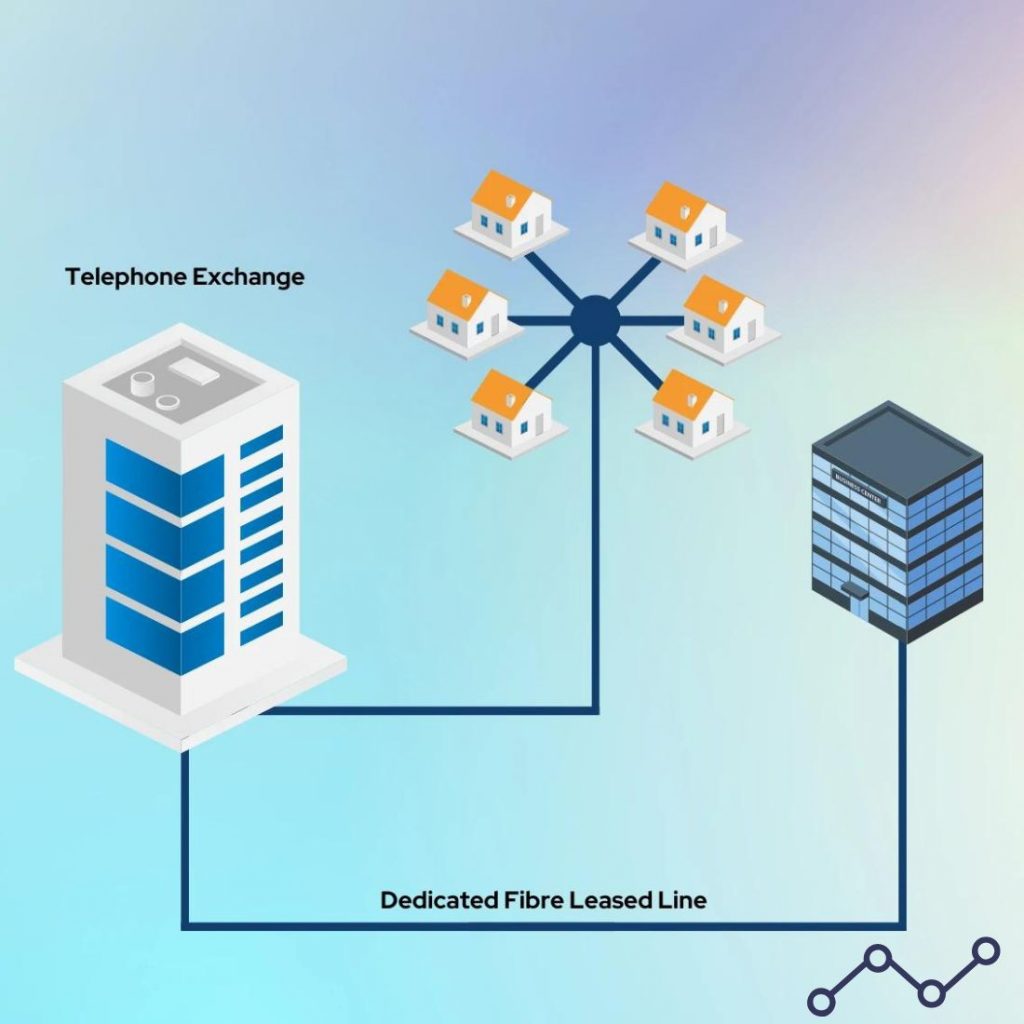
Leased lines are typically priced higher than consumer broadband, but the value comes from predictable performance, service level agreements and uncontended capacity. For many SMEs the difference in productivity, reduced support incidents and better customer experience outweigh the premium. Rather than viewing cost in isolation, measure it against the operational improvements and mitigated business risk that symmetrical connections bring.
Example
Acorn Accounting switched from a consumer fibre product to a leased line with symmetrical bandwidth. Previously, monthly cloud backups started overnight and sometimes spilled into business hours, slowing email and remote access. After moving to a symmetrical connection, backups completed during the scheduled window, remote staff experienced consistent upload speed for file sharing, and video meetings were noticeably smoother.
Technical considerations when choosing a connection
- Check latency and jitter figures as well as headline speeds — low latency helps real-time applications.
- Confirm the service level agreement (SLA) and mean time to repair (MTTR) for outages.
- Ask about contention and whether bandwidth is dedicated or shared during peak times.
- Plan for redundancy options if the business requires near-continuous availability.
- Evaluate whether managed services such as monitoring and proactive support are included.
Balancing today’s needs with tomorrow’s growth
Choosing a connection that matches current demand and allows straightforward upgrades will save time and expense later. Symmetrical bandwidth can be scaled to suit a growing workforce or increased cloud reliance. For firms moving more services to hosted platforms, the upfront decision to prioritise upload capacity helps avoid performance issues as digital activity rises.
In summary, a symmetrical leased line speed offers tangible operational benefits for SMEs: it improves cloud backup performance, enhances video conferencing quality, and provides reliable two-way data transfer that supports modern ways of working. Evaluating business-grade upload speed alongside other technical and commercial factors will help you select a connection that aligns with both immediate needs and future plans.