How Leased Lines Support High-Volume Data Transfers
For many small firms, moving large amounts of data reliably is no longer optional — it’s part of daily operations. Leased lines for data transfer give businesses a private, uncontended connection that keeps bulk uploads and cloud synchronisation predictable and fast. This article explains how dedicated circuits support data-heavy operations, improves cloud storage sync performance and helps with secure data transfer in the UK, so you can decide whether this type of connectivity is suitable for your organisation.
Leased lines for data transfer: why they matter
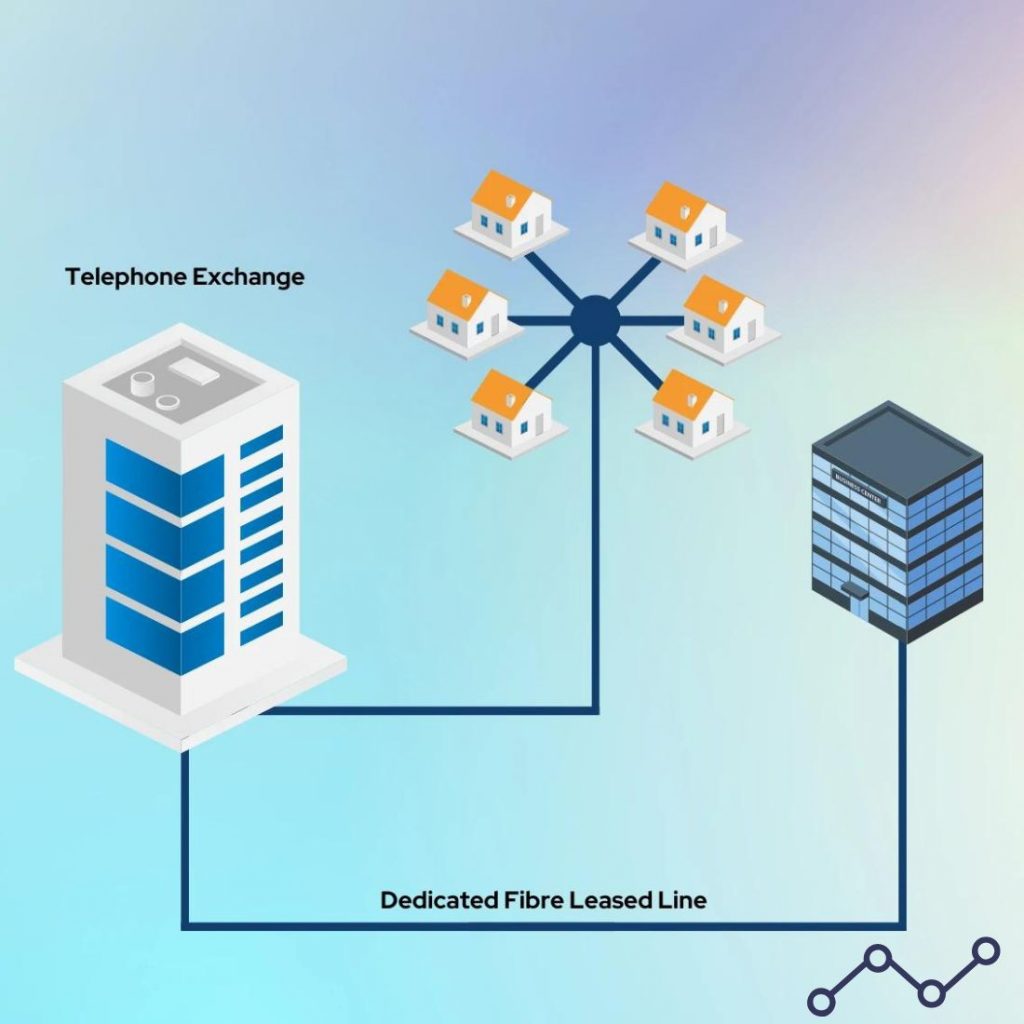
When you rely on public broadband or shared business connections, bandwidth is shared and speeds can fluctuate. For activities such as large file uploads, regular backups or full-site migrations, inconsistency slows workflows and increases risk. A leased line provides committed capacity, symmetrical upload and download speeds, and service-level agreements (SLAs) that guarantee latency and uptime — all critical for maintaining bulk data transfer reliability.
Key technical advantages
- Dedicated bandwidth — no contention with neighbours, so throughput remains stable during peak periods.
- Symmetrical speeds — equal upload and download rates make sending large files to cloud storage as fast as receiving them.
- Low latency and jitter — important for time-sensitive synchronisation and for repeatable transfer times during migrations.
- Service guarantees — SLAs give you measurable expectations for availability, repair times and performance.
- Static addressing and routing options — simplifies secure VPNs, site-to-site links and direct cloud connections.
How leased lines improve cloud storage sync performance and migrations
Cloud workflows benefit from predictability. When synchronising large datasets between on-premises servers and cloud storage, transfers that pause or slow can cause version conflicts, prolonged backup windows and longer migration projects. A leased line reduces transfer variability, shortening sync cycles and enabling larger incremental backups during business hours. For data migrations, consistently high throughput means fewer windows needed for cutovers and a lower risk of overruns.
Practical scenarios where dedicated circuits help
- Media and creative agencies — frequent large file uploads to collaborative cloud platforms.
- Legal and financial firms — secure transfer of sensitive records during offsite disaster recovery.
- Healthcare practices — moving imaging data to centralised storage while maintaining patient privacy.
- Retail and ecommerce — synchronising inventory databases and analytics feeds without delays.
Security and compliance for secure data transfer in the UK
Leased lines offer an inherently more secure path than consumer broadband because traffic travels over a private circuit rather than the public internet. For many organisations this reduces exposure during large data migrations or when transmitting confidential information. Combined with encryption, VPNs and proper access controls, a dedicated circuit supports regulatory compliance and helps protect data in transit.
Practical considerations for choosing leased lines for data transfer
Deciding whether a leased line is right for your business involves balancing cost with the benefits of predictable performance. Consider the following:
- Bandwidth sizing — model your busiest transfer scenarios (e.g. daily backups, concurrent uploads) to set an appropriate speed.
- Redundancy — pair a leased line with a secondary link for resilience during planned maintenance or faults.
- On-site equipment — ensure routers and switches support the throughput and QoS you need.
- Integration with cloud providers — direct connectivity options or private peering can further improve sync performance.
- Ongoing monitoring — performance dashboards and alerts help you spot transfer issues early.
Implementation notes
Installation typically involves a survey, physical cabling to your premises, and configuration of customer edge equipment. Expect lead times that vary by location and provider; in urban areas provisioning is usually quicker. Once live, run realistic transfer tests using your actual file sets to validate throughput and make any QoS adjustments.
Example
BrightFrame Studios, a five-person post-production team, was losing hours each week uploading raw footage to a colourist in another city. They migrated their backup and upload paths to a 100 Mbps leased line, enabling consistent upload speeds and reducing transfer windows from overnight to a few hours each day. The team saw fewer failed transfers and quicker turnaround for client projects, improving productivity and client satisfaction.
Cost versus value: when a leased line makes sense
For many small businesses the higher monthly cost is offset by time saved, fewer failed transfers, and the ability to run business-critical synchronisation during normal hours. If your operations include routine large file uploads, time-sensitive cloud backups or complex data migration connectivity requirements, the predictability and reliability of a leased line often justify the investment.
Leased lines for data transfer deliver a durable foundation for data-heavy operations, improving bulk data transfer reliability, accelerating cloud storage sync performance and strengthening secure data transfer in the UK. For organisations that move substantial volumes of data, a dedicated circuit can convert intermittent connectivity into a dependable business tool.